Pennsylvania Cottage Food Rules: The PDA Limited Food Establishment Registration
Pennsylvania Cottage Food Rules: The PDA Limited Food Establishment Registration
If you want to sell baked goods, jams, or candy made in your home kitchen, you need to know one thing first: Pennsylvania does not have a cottage food law. No statute lets home cooks sell food with a label and nothing else. The route the state provides is a registration with the Pennsylvania Department of Agriculture (PDA) called a limited food establishment. If you have searched for a pa cottage food law answer or a cottage food license pa, this registration is the closest thing to what you need, and it is what this guide covers.
This article is informational content, not legal or tax advice. Rules and fees can change, and PDA's current requirements control. If your situation is complex, such as a multi-product business, wholesale plans, or an LLC, talk with a qualified attorney or CPA. Confirm every figure below with the agency before you spend money or sign anything.
What Pennsylvania Does Instead of a Cottage Food Law
Many states write a special exemption for home-produced food. Pennsylvania does not. Instead, PDA allows a home kitchen to operate as a limited food establishment. This registration is the legal path for selling food you make at home, and it is the approval most people mean when they search for a home bakery license pa. Pennsylvania does not issue a license under the name home bakery license or cottage food license, so use the official term, limited food establishment, when you contact PDA or fill out forms.
Three facts define the basic deal. The initial registration costs $35, the annual renewal costs $35, and PDA states that there is no sales cap. The no-cap point matters, but it does not mean the rules stop at a sales total. Product limits, sales channels, and inspection still apply.
What You Can and Cannot Make
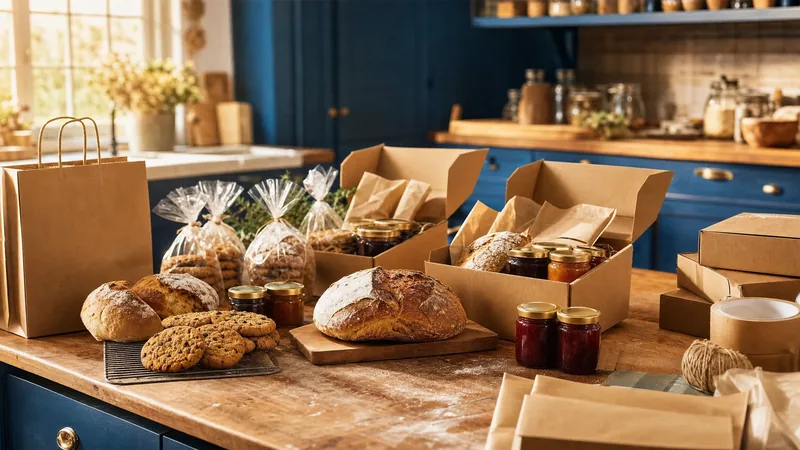
The registration covers shelf-stable, non-potentially hazardous foods only. In practice, that means foods that do not need refrigeration and do not need to be kept hot to stay safe.
| Generally allowed | Not allowed |
|---|---|
| Baked goods without cream fillings, such as cookies and quick breads | Anything that needs refrigeration, such as cheesecake |
| Jams and jellies | Anything that must be held hot to stay safe |
| Candies | Cream-filled pastries, custard, or other perishable fillings |
| Some snack mixes | Borderline products, until PDA confirms them |
Ask PDA before you make any product that does not clearly fit the allowed column. A product that seems shelf-stable to you may not be treated that way by the agency.
Where You Can Sell
Under the registration, you may sell directly to consumers from your home, over the internet, at farmers markets, at events, and from a roadside stand. Retail stores may carry your labeled products. Three channels need more attention:
- Wholesale. Selling to a business that resells your product requires a different license than this registration. Confirm the right license with PDA.
- Interstate sales. Shipping across state lines may require registration with the U.S. Food and Drug Administration (FDA). Confirm this with FDA and PDA before you ship out of state.
- Events and markets. Some event and market sales may require a retail food facility license. Confirm which events trigger this requirement with PDA.
Materials and Information to Gather First
Pull these items together before you contact PDA. The agency's current checklist controls, but these are the items a home bakery almost always needs on hand.
- A written recipe for every product, with exact ingredients, measurements, and process steps
- Supplier information for each ingredient, including brand names and where you buy them
- A description of your kitchen, including a floor plan, sinks, equipment, and storage areas
- Draft labels for each product. Federal labeling rules require a declaration of major food allergens, including milk, eggs, fish, shellfish, tree nuts, peanuts, wheat, soybeans, and sesame.
- A sales plan that names your channels, such as farmers markets, online orders, or local shops
- The business name you will use, plus the legal name of the owner or LLC
- The contact information for your local health department if you live in Philadelphia or another county health department area
Step-by-Step: How to Get the Registration
- Confirm your product list fits. Check each product against the allowed column. Drop or reformulate anything that needs refrigeration, has a cream filling, or must be held hot. Doing this first prevents a rejected plan.
- Check local rules. The state registration does not replace local requirements. If you live in Philadelphia or another county health department area, check with that office before you submit anything to PDA. Also check zoning rules and any homeowners association or lease terms that restrict food businesses at home. Pennsylvania has no state general business license and no county business licenses, so do not assume a county office will issue a separate permit. Local health departments are a different matter, and you should ask them directly.
- Settle your name and business structure. If you sell under a name other than your legal name, you need a Registration of Fictitious Name (Form DSCB:54-311) at $70. File it with the Pennsylvania Department of State, which handles fictitious names statewide, not at the county level. A Commercial Registered Office Provider cannot be listed on a fictitious name registration. If you form an LLC, the Certificate of Organization carries a $125 filing fee. Pennsylvania LLCs must list a registered office with a street address. A post office box alone is not accepted. Pennsylvania does not use registered agents, and LLCs have no publication requirement. Processing takes about 15 business days, and expedited service is available for an added fee. Visit file.dos.pa.gov to file.
- Register your tax accounts. Register through myPATH, the state's online system. The paper PA-100 was retired in 2022. Pennsylvania's state sales tax rate is 6 percent. Ask the Pennsylvania Department of Revenue whether your baked goods, candy, and other products are taxable and how you should collect tax. Register for any required state tax account, such as the Sales, Use and Hotel Occupancy Tax License, through myPATH at pa.gov.
- Submit your plan at least 60 days before you sell. PDA requires plan submission at least 60 days before you begin operating. Pick your target first sale date and count backward. If your first market is in May, submit by early March at the latest. Submitting early matters because a correction round can add weeks.
- Wait for PDA's decision. PDA decides within 15 business days. Use that window to finalize labels, test recipes, and set up your kitchen to match the plan you submitted.
- Pass the on-site inspection. PDA inspects your kitchen before it collects the fee. Have the kitchen clean, storage organized, and your product list and records ready. Expect the inspector to ask how you store products and whether household activity is kept separate from production.
- Pay the $35 fee and receive your registration. The initial fee is $35, collected after the inspection. Keep a copy of your registration with your business records.
- Renew every year for $35. The annual renewal fee is $35. Put the renewal deadline PDA gives you on your calendar the day you register. Check with PDA before you make major changes to recipes, your kitchen, or your sales channels.
Expected Results and How to Describe Your Products
A registration may let you sell your approved products through the channels PDA covers. Approval is not guaranteed, and PDA may ask for changes before inspection. Results depend on product quality, pricing, local demand, and how you market. No registration guarantees sales.
Describe flavor, ingredients, and freshness. Avoid health, disease, or medical claims entirely. FDA treats claims about treating or curing disease as a serious labeling problem, and a single word such as cures or treats can make a product misbranded. Keep your marketing factual and tied to what is in the jar or bag.
Costs at a Glance
| Item | Cost | Where to confirm |
|---|---|---|
| PDA limited food establishment, initial | $35 | PDA, collected after inspection |
| PDA limited food establishment, annual renewal | $35 | PDA |
| Registration of Fictitious Name | $70 | Department of State |
| LLC Certificate of Organization filing fee | $125 | Department of State |
| LLC annual report | $7, due January 1 to September 30 | Department of State |
| Pennsylvania state sales tax rate | 6 percent (a rate, not a fee) | Department of Revenue |
| Retail food facility license, if needed for events | Confirm with PDA | PDA |
| Wholesale license, if needed | Confirm with PDA | PDA |
| Local health department fees, if applicable | Confirm with your local health department | Local health department |
Common Mistakes to Avoid
- Assuming Pennsylvania has a cottage food exemption. It does not. Selling before you are registered creates legal exposure for you and your customers.
- Submitting late. The 60-day requirement is firm. Count back from your first sale date, not from when you feel ready.
- Adding an unlisted product. Cream puffs, cheesecakes, and custard pies are common examples of products that fall outside the allowed list.
- Misusing a Commercial Registered Office Provider. A CROP may not be used where a principal place of business is required, such as on a fictitious name registration. Listing a CROP without a contract can carry civil and criminal penalties.
- Skipping the local check. Philadelphia and other county health department areas may have requirements beyond the state registration.
- Selling at events without asking. Some event and market sales may require a retail food facility license.
- Treating the no-cap rule as no rules. PDA's statement that there is no sales cap does not change your tax obligations, labeling duties, or channel limits.
- Using outdated forms. The PA-100 was retired in 2022, so register through myPATH.
Where to Confirm the Current Rules
- Pennsylvania Department of Agriculture: for the limited food establishment registration, plan review, inspection, and fees. Start from the state portal at pa.gov.
- Pennsylvania Department of State, Bureau of Corporations and Charitable Organizations: file.dos.pa.gov for fictitious names and LLC filings.
- Pennsylvania Department of Revenue: pa.gov/agencies/revenue for tax registration and sales tax questions.
- Your local or county health department, especially in Philadelphia.
- Pennsylvania Small Business Development Centers: pasbdc.org for help with planning.
Frequently Asked Questions
Is there a PA cottage food license?
No. Pennsylvania does not issue a license with that name. The closest equivalent is the PDA limited food establishment registration, which costs $35 initially and $35 each year.
Can I sell at a farmers market from my home kitchen?
Farmers markets are one of the listed direct-to-consumer channels, but some event and market sales may require a retail food facility license. Confirm with PDA before your first market.
How long does the process take?
Submit at least 60 days before your first sale. PDA decides within 15 business days of review, and the on-site inspection happens before the fee is collected. Start early, because the timeline runs before you can sell.
Next Steps
Start with the product check and the local health department call, since those two answers decide whether the rest of the process applies to you. Then settle your name and tax accounts, write your plan, and submit it at least 60 days before your target sale date. Confirm each fee and deadline on the agency page before you act on it.
Keep exploring: related Pennsylvania guides
- How to Start a Coffee Shop Business in Pennsylvania
- How to Start a Food Truck Business in Pennsylvania
- How to Start a Catering Business in Pennsylvania
- How to Start a Vending Machine Business in Pennsylvania
- How to Start an LLC in Pennsylvania
- Pennsylvania Business License
- How Much Does It Cost to Start a Business in Pennsylvania
- All Pennsylvania business types
- Every Pennsylvania guide in one place